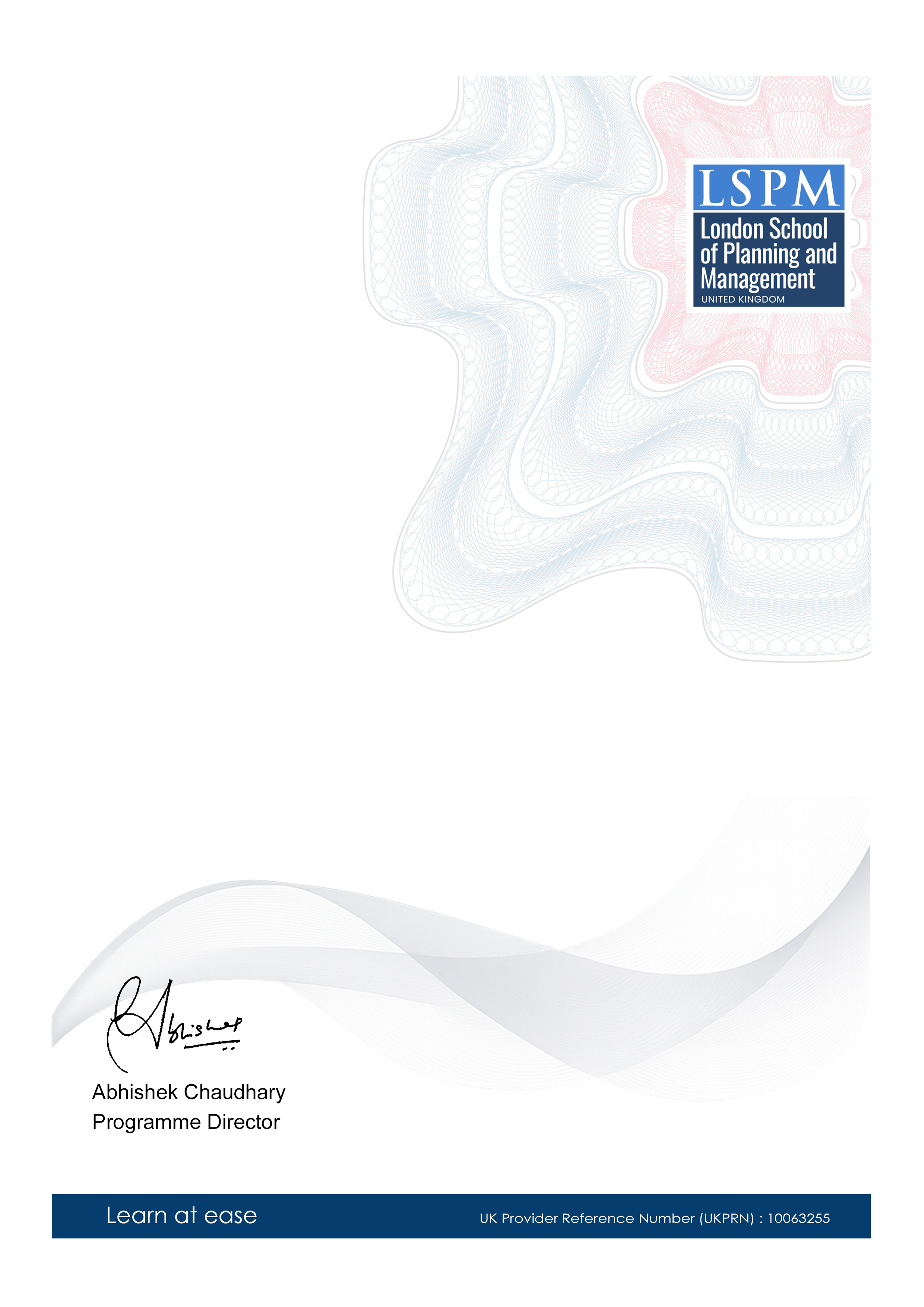
Professional Certificate in Food Safety Best Practices
-- viewing nowThe Professional Certificate in Food Safety Best Practices is a comprehensive course designed to provide learners with the essential skills needed to excel in the food industry. This certificate program focuses on the importance of food safety, best practices, and regulatory compliance, making it highly relevant in an industry where consumer protection is paramount.
5,749+
Students enrolled
GBP £ 149
GBP £ 215
Save 44% with our special offer
About this course
100% online
Learn from anywhere
Shareable certificate
Add to your LinkedIn profile
2 months to complete
at 2-3 hours a week
Start anytime
No waiting period
Course details
• Fundamentals of Food Safety: An introduction to food safety best practices, including basic food hygiene, cross-contamination prevention, and maintaining a clean working environment.
• Temperature Control: Understanding the importance of temperature control in food safety, including proper storage, handling, and cooking temperatures for various food types.
• Hazard Analysis and Critical Control Points (HACCP): An overview of the HACCP system, its benefits, and how to implement it in a food service establishment.
• Sanitation Practices: Detailed information on sanitation practices, including cleaning and sanitizing procedures, equipment maintenance, and pest control.
• Food Allergens and Special Dietary Needs: Identifying common food allergens, understanding the importance of accommodating special dietary needs, and implementing procedures to minimize cross-contact.
• Employee Training and Management: Developing and implementing effective employee training programs, including ongoing food safety education and management strategies for ensuring compliance.
• Supply Chain Management: Understanding the importance of supplier relationships, including how to evaluate and monitor suppliers for food safety compliance.
• Recall Planning and Procedures: Developing and implementing recall plans and procedures to minimize the impact of a food safety incident, including communication strategies and documentation requirements.
• Regulations and Compliance: An overview of food safety regulations and standards, including FDA, USDA, and local health department requirements, and how to maintain compliance.
Note: The specific units and content may vary depending on the course provider and target audience.
Career path
Entry requirements
- Basic understanding of the subject matter
- Proficiency in English language
- Computer and internet access
- Basic computer skills
- Dedication to complete the course
No prior formal qualifications required. Course designed for accessibility.
Course status
This course provides practical knowledge and skills for professional development. It is:
- Not accredited by a recognized body
- Not regulated by an authorized institution
- Complementary to formal qualifications
You'll receive a certificate of completion upon successfully finishing the course.
Why people choose us for their career
Loading reviews...
Frequently Asked Questions
Course fee
- 3-4 hours per week
- Early certificate delivery
- Open enrollment - start anytime
- 2-3 hours per week
- Regular certificate delivery
- Open enrollment - start anytime
- Full course access
- Digital certificate
- Course materials
Get course information
Earn a career certificate